A bit about me

Hello, my name is Olivia Sharp. I am 20 years old and in my second year of my Bachelor of Design degree, at the University of Melbourne. I am a big traveller, where I try to make an effort to experience and go to a new place every year. Travelling “shows us the sights and values and issues that we might ordinarily ignore”, allowing us to be exposed (http://picoiyerjourneys.com/index.php/2000/03/why-we-travel/). For me, travelling is stepping out of your comfort zone and participating in different cultures and unfamiliar civilisations.

Me in Berlin last year

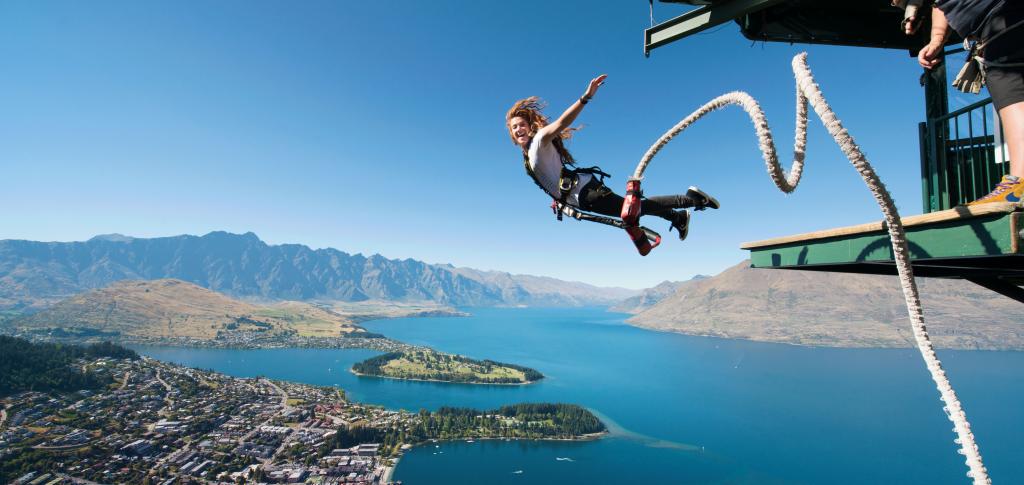
I have a real passion for adventure and stepping out of my comfort zone, hence why I plan to travel to the South Island of New Zealand during my university holidays. I am particularly interested in this part of the world because of the great variety of activities to do, specifically those on the adventurous side. Experiences such as bungee jumping and jet boating are extremely popular
If you are young and ambitious, then this blog is for you! Stay with me whilst I go on a journey through New Zealand, exposing and highlighting key and potentially hidden factors and characteristics, of the country. Enjoy 🙂
Street art of the South

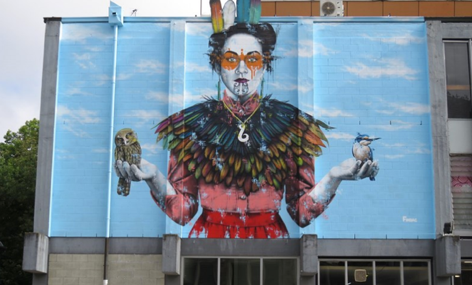
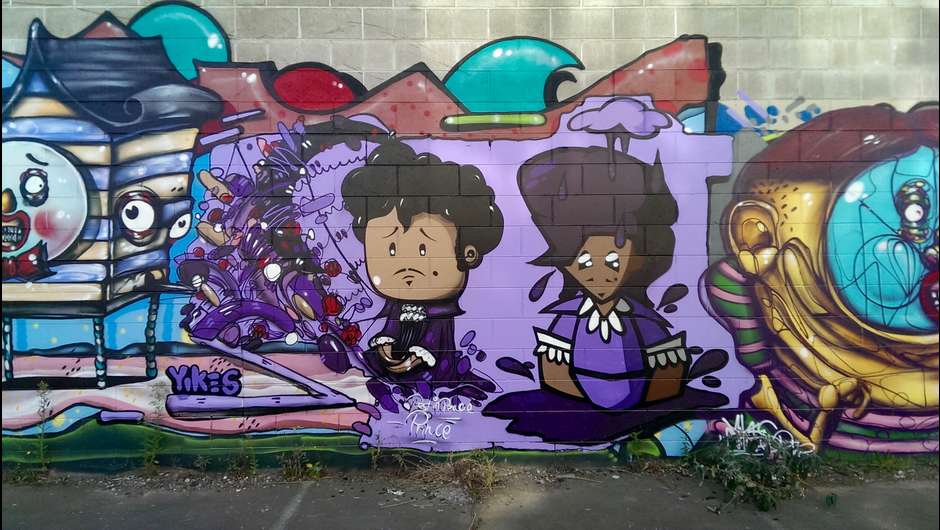
Wow. Can I just say how in love I am with the city of Christchurch? I probably don’t even need to say this but… its architectural uniqueness and abstract art allows for both a welcoming and aesthetically pleasing town. The street art is loud, bright and #edgy, creating an exciting and fun environment for the locals and tourists… so edgy right? Walking through the streets of the city, you just get lost amongst the endless large murals and art.

Kaitaki, featured in Christchurch
(https://www.christchurchnz.com/christchurch/arts-and-culture/a-taste-of-christchurchs-street-art/)

It is the art featured on the YMCA Building in Christchurch, named “Kaitaki” that best captures and reflects the friendly and hospitable nature of the city. (https://www.christchurchnz.com/christchurch/arts-and-culture/a-taste-of-christchurchs-street-art/) This work is in particularly my favourite, because of the attached symbolism.

Did you know the word ‘Kaitaki’ means ‘the guardian’ in Maori? There you go… learn something new every day. The woman appears to represent protection and security for the city, which comes about after the devastating earthquake that occurred in 2011…. *cue tears.*

Drawn by Fin Dac, the figurative piece of art was part of the YMCA Street Art Festival, which aimed to promote street art and stimulate positive economic outcomes for the city.

More street art in Christchurch
(https://media.newzealand.com/en/news/putting-christchurch-street-art-on-the-map/)

The prominent street art within Christchurch perhaps acts as an unofficial tourist attraction I suppose.., it reminds onlookers and passing residents of the city’s history and defining events of the past. It appears bright and engaging, where people are more likely to observe the art, and thus be able to comprehend the associated story and purpose behind the piece.

“I’m shocked!”

It is crazy how different the Indigenous culture is between Melbourne and New Zealand… you wouldn’t think this right? Well let me tell you, the appreciation and acceptance for the Maori population from the kiwis, is a tad more obvious and pronounced than perhaps the Aboriginal acknowledgement here in Australia.

Both nations were colonised in the 18th century, however, it was the country of sheep and silver ferns, that were able to keep and maintain a prominence for their Indigenous population.

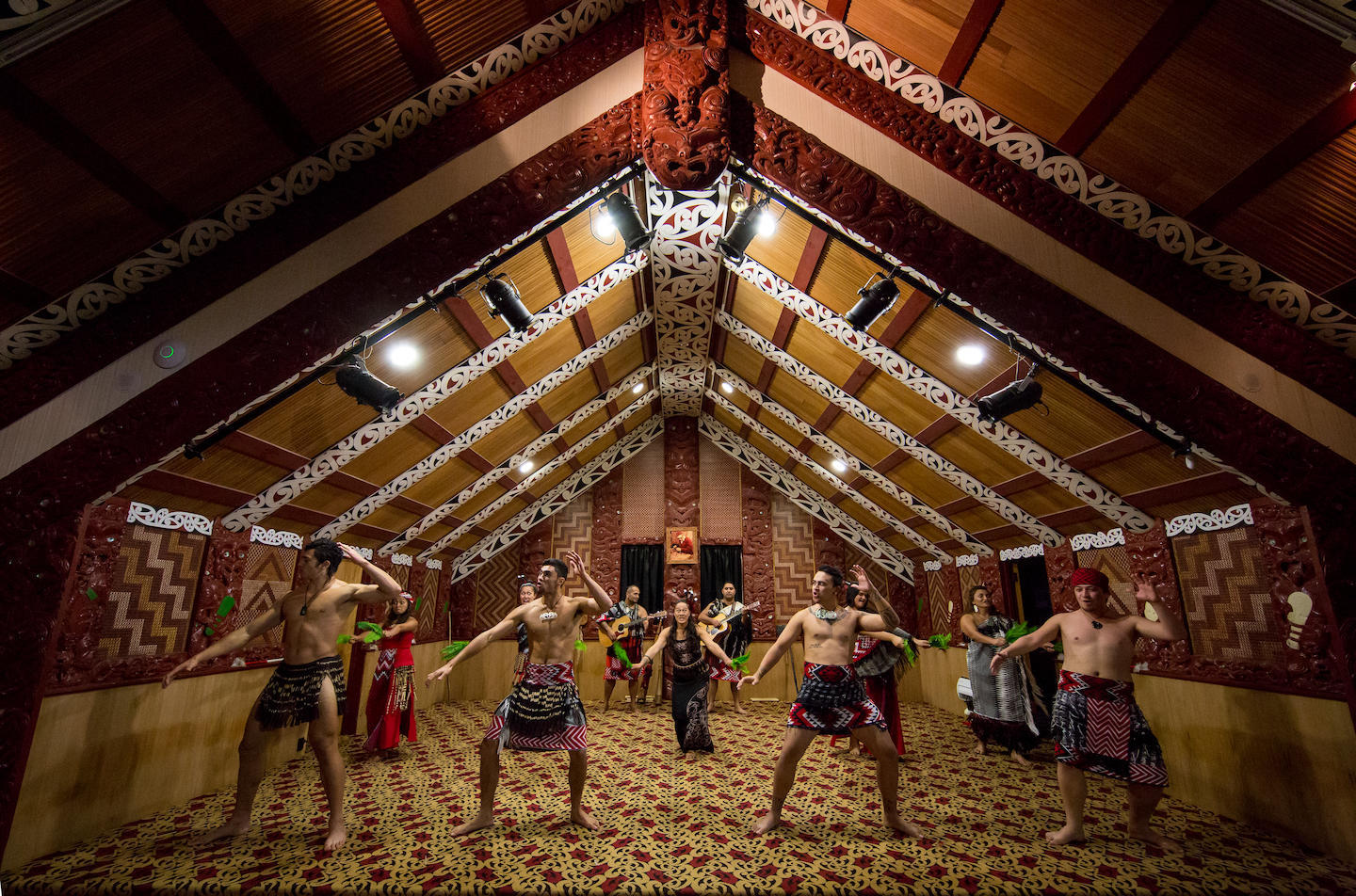
A typical Maori performance in New Zealand
(https://www.newzealand.com/au/feature/kapa-haka-maori-performance/)

What country’s native language is considered official? New Zealand.

What country’s indigenous population has a greater influence on political decisions? New Zealand.

(https://www.quora.com/In-what-ways-are-New-Zealanders-and-Australians-different)

And finally, what country’s schools specifically teach about their indigenous language and culture? You guessed it… New Zealand.

Just in case you forgot, Australia displays essentially none of these characteristics, where the hundreds of different varieties of Aboriginal language, are not greatly recognised and taught widely, across the nation.

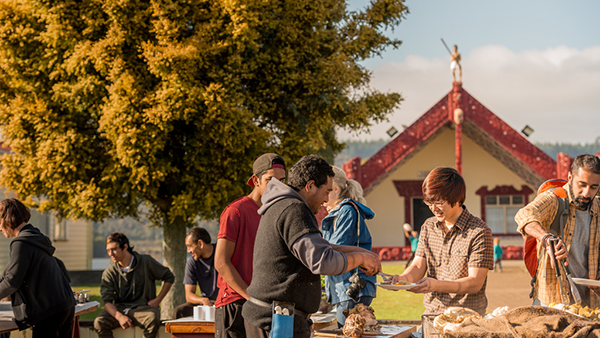
A range of individuals embracing the Maori culture
(https://www.newzealandnow.govt.nz/living-in-nz/settling-in/maori-culture)

This is only a mere touch on this sense of the prominent culture within New Zealand, however I think we can all agree that this is a clear distinction between the two nations.

It is key to embrace this difference if and when visiting our neighbouring country, where this ‘cultural shock’ should be welcomed. Perhaps this initial shock or confusion is a good thing, where this this greater appreciation of the native owners should be idolised.

South Island Symbolism

What is it that first comes to mind when you think of New Zealand? Is it the enormous amount of sheep? Is it the picturesque Milford Sound that perfectly captures the natural beauty of New Zealand? Or perhaps it is the All Blacks that immediately cross your mind when this neighbouring country is mentioned?

Silver fern symbol (https://en.wikipedia.org/wiki/Silver_fern_flag)

It is the silver fern that is most recognised and associated with the Kiwi’s and their nation. The silver fern is native to New Zealand, where it acts a symbol of inspiration, strength and power for citizens. (https://media.newzealand.com/en/story-ideas/new-zealand-icon-silver-fern/) I can almost guarantee you have seen this silver fern on New Zealand’s sports teams and army forces, further highlighting its significance and #power. Yes, but “why the silver fern?” you may ask. Well let me just give you a short history lesson. It is believed that the silver fern used to live in the ocean and was invited to live on the land to play a significant role in leading the Maori population. These people would then use the silver underneath the fern leaves as light, where it would catch the moonlight and create a path through the dark forest.(https://www.tepapa.govt.nz/discoverhttps://www.tepapa.govt.nz/sites/default/files/cyathea_dealbata_otari4_edit-small.jpg-collections/read-watch-play/maori/significance-silver-fern)

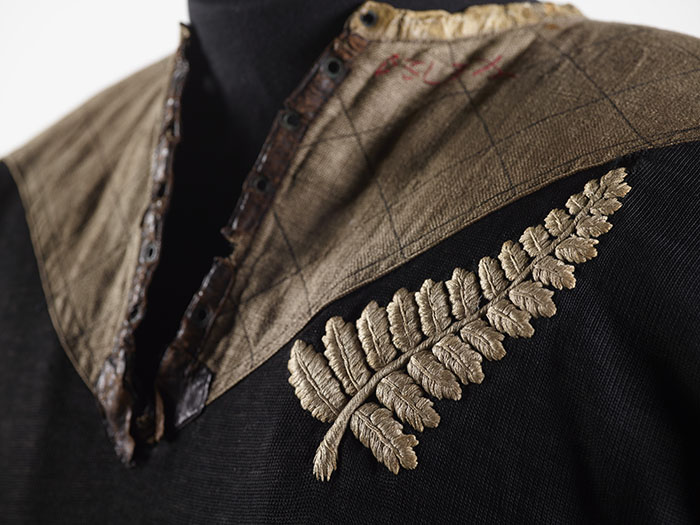
Silver fern featured on New Zealand’s rugby jumper in 1906 (https://www.tepapa.govt.nz/discover-collections/read-watch-play/maori/significance-silver-fern)

Some may however say that tourism and commercialisation have perhaps altered the image and perception of this symbol, where its history is often overlooked and ignored. Let me guess… you don’t know the story behind the silver fern, either right? Don’t worry, you’re not in the minority. Even I must admit….  I may or may not have had to google a brief history of this symbol, despite visiting the country twice. 

ReplyForward